
Introduction
Hurricanes bring winds and heavy rain and flying debris that can really hurt buildings. So people who own homes and buildings in areas want windows that are strong. Choosing the windows is a big part of keeping a property safe when the weather is bad.
Aluminum windows are a choice for places that get hurricanes. They are strong but not too heavy. They can handle winds without bending. Aluminum windows also do not get rusty which is good for buildings near the ocean. This is because the air near the ocean can hurt some materials. At the time aluminum windows look nice and can be used for homes and buildings.
This article talks about why aluminum windowsre good for hurricanes. You will learn about glass that can handle impact and frames that are made to be strong. You will also learn about how much wind aluminum windows can handle and what building rules say. The article also talks about how to keep aluminum windows from getting damaged in areas and which window styles are popular. It also gives advice, on how to choose the aluminum windows for your project.
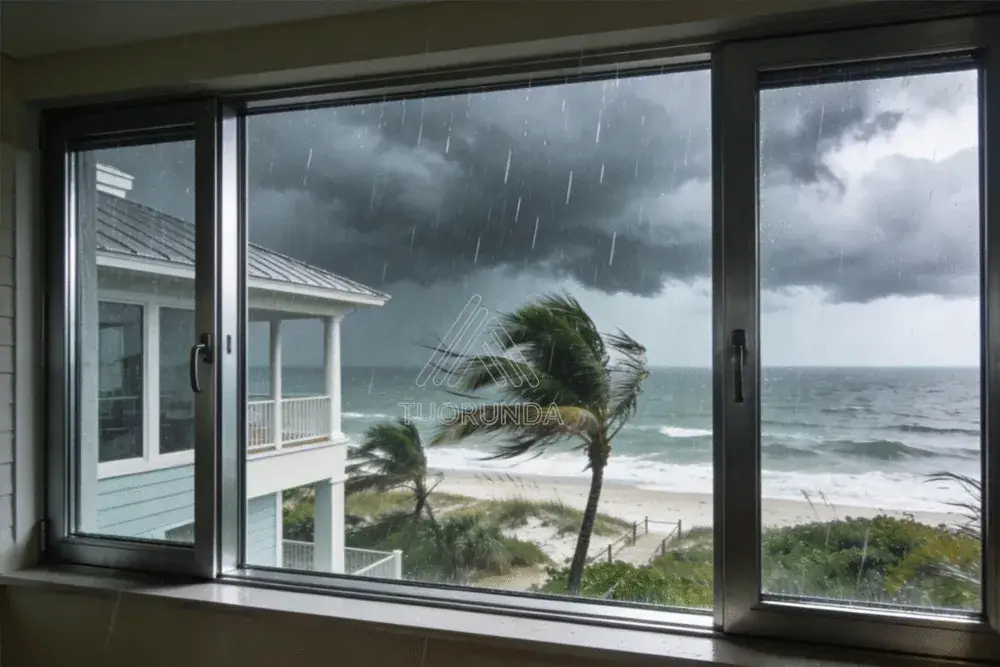
Core Advantages of Aluminum Windows for Hurricane Protection
Superior Strength and Durability
Aluminum windows have a lot of strength for how light they’re. The material is very strong. It does not weigh a lot. This means that the window frames can hold up pieces of glass and stay stable when the wind is really strong.
In places where hurricanes happen a lot windows need to be able to handle winds and things that are flying through the air. Aluminum windows do a job than wood or vinyl windows in these situations. Wood can. Get bigger when it gets wet for a long time. Vinyl can get soft or change shape when it gets hot or is under a lot of pressure. Aluminum windows keep their shape. Stay strong even when the storms are really bad.
Another good thing about aluminum windows is that they last a time. Aluminum frames do not bend, break or get twisted. They keep working for many years. This helps people save money on repairs and makes sure the window system is reliable for a time.
Excellent Weather and Corrosion Resistance
Buildings near the ocean are always exposed to salt, humidity and strong sun. These things can hurt a lot of building materials. Aluminum windows do well in this kind of environment because they do not rust easily.
Wood gets wet. Can rot after a while. Vinyl can get brittle after being in the sun and cold, for a time. Aluminum frames stay stable. Keep working well even when it is really tough outside.
People do not have to do a lot to take care of aluminum windows. They do not need to be painted or have treatments. Usually just cleaning them is enough to keep them in shape. This means that people who own buildings can have windows that last longer and cost less to take care of.
Built for Super Strong Winds
Aluminum windows made for hurricane areas are built to handle strong winds. They have frames, special locking systems and extra support to make them stronger.
When strong winds hit a building they push on the glass and the frame. A good aluminum window spreads this force to the wall, which helps prevent the frame from breaking and reduces damage to the building.
The special locking systems also work better. They hold the window tightly shut and create a seal. This helps keep out wind, rain and air during hurricanes.
Energy Savings and Eco-Friendly
Many new aluminum windows use technology to keep heat out. They have frames with small chambers that help keep the inside comfortable.
This means it costs less to cool the building in areas and uses less energy all year. It also helps keep out noise and makes the quieter.
Aluminum can be recycled over and over. This makes aluminum windows a good choice, for eco- building projects. For builders, architects and contractors looking for eco-friendly materials aluminum windows offer both performance and long-term value.
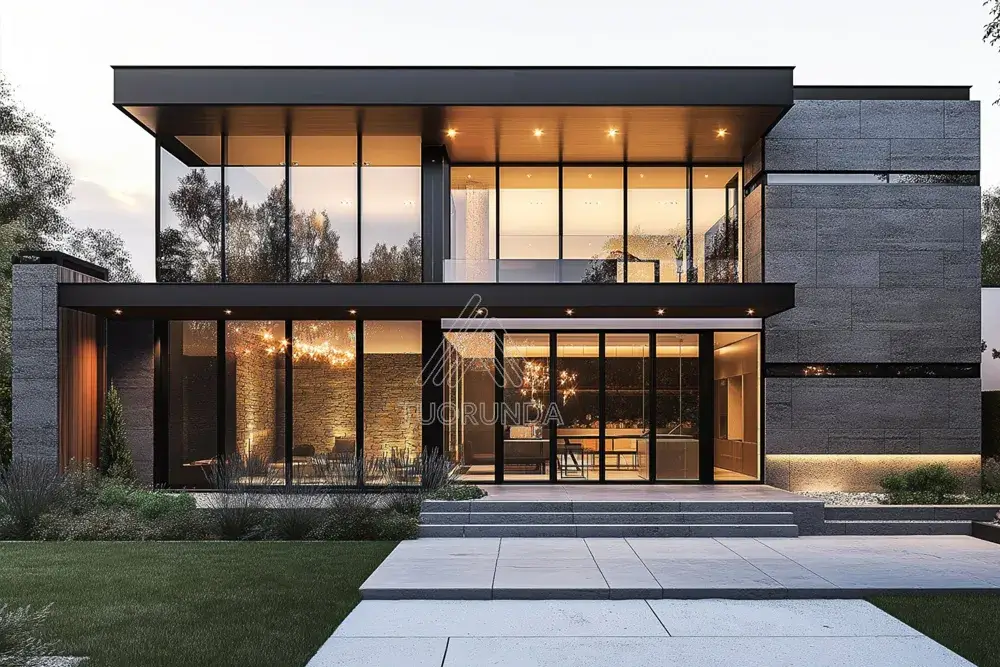
Key Features of Impact-Resistant Aluminum Windows
Laminated Impact- Glass
Impact-resistant aluminum windows use special glass that has many layers. A strong film called PVB is placed between the glass layers. If the glass gets hit by flying things the PVB film helps keep the pieces together. This makes it safer. Helps protect people during a storm. The glass has to pass tests and meet high standards to be used in hurricane-prone areas.
Reinforced Frame Construction
The frame of these windows is built to be strong. It has aluminum parts, extra support inside and strong corners that are welded together. The design of the frame helps it resist bending and twisting. This means the window can handle winds that come and go during a hurricane.
Heavy-Duty Hardware and Sealing Systems
These windows have rust-resistant parts, like hinges and locks made of stainless steel. They also have a locking system that holds the window sash in place at many points. This creates a seal and helps keep out wind and rain. The seals used are designed to be weather-resistant which helps keep the window working over time even in coastal areas.
Popular Aluminum Window Styles for Coastal Homes and Buildings
Casement Windows
Casement windows are often the first choice for hurricane-prone areas. They close tightly against the frame and provide excellent wind resistance. Strong winds can push the sash tighter against the seal. This helps improve weather protection. One thing to consider is the need for outdoor space when the window opens outward.
Sliding Aluminum Windows
Sliding windows save space because they move horizontally. They provide wide views and easy operation. They are suitable for balconies, living rooms, and large openings. Their sealing performance is good, though usually not as strong as casement windows.
Fixed Picture Windows and Custom Shapes
Fixed windows have no moving parts. This gives them excellent structural strength and high wind-load performance. Custom shapes can create a unique architectural appearance. Since these windows cannot open, ventilation must come from nearby operable windows.
Window Style Comparison
| Type | Wind Resistance | Best Use | Price | Main Advantage |
| Casement | High | Bedrooms, coastal homes | Medium-High | Best sealing |
| Sliding | Medium-High | Balconies, large openings | Medium | Space saving |
| Fixed | Very High | Facades, view areas | Varies | Maximum strength |
Understanding Wind Load Ratings and Building Codes
What Wind Load Ratings Mean
Wind load is measured in pounds per square foot (psf). It shows how much wind pressure a window can withstand. Required ratings vary by location, building height, and exposure to wind. Coastal buildings usually need higher ratings than inland properties. Always choose windows that meet local building code requirements.
Positive vs. Negative Wind Pressure
During a hurricane, wind can push against a window and create positive pressure. Wind can also pull outward and create negative pressure. Both forces can damage a weak window system. Hurricane-rated windows must pass repeated pressure cycle tests. This helps prove their performance during real storms.
Installation and Anchoring Requirements
A high-quality window can still fail if installation is poor. Strong anchors connect the window frame to wall beams and structural supports. Proper installation helps transfer wind loads safely into the building structure. Licensed installers should follow manufacturer-approved installation methods.
Wind-Load Classification Guide
| Class | Wind Speed | Typical Application |
| Class 1 | 130–150 mph | Sheltered coastal areas |
| Class 2 | 150–180 mph | Coastal residential buildings |
| Class 3 | 180–200+ mph | Exposed coastlines and high-rise buildings |
Anti-Corrosion Solutions for Salt-Laden Coastal Environments
Protective Surface Coatings
The surface coating is really important for aluminum windows. It helps them longer. For areas near the coast powder coating is an option. It works well. Does not cost too much.. For places right by the sea fluorocarbon coating is even better. This type of coating can handle salt, moisture and sunlight. It is often used on buildings near the shoreline. This helps aluminum window frames longer.
Marine-Grade Hardware and Connectors
The hardware on windows is exposed to the tough conditions as the window frame. For coastal projects standard 304 stainless steel hardware is okay.. 316 Stainless steel hardware is better at handling salt and moisture. If you live close to the sea you should use marine-grade hardware. This helps reduce the risk of things breaking and makes the windows more reliable over time.
Salt- Sealants and Gaskets
The sealants we use indoors are not good enough for coastal areas. We need grade structural sealants that can handle water and salt.. We need gaskets that stay flexible for a long time. These help keep water out and make the whole window system last longer. Anti-aging gaskets are really helpful. They stay flexible. Keep working well for many years. This is important for aluminum windows, in salt- coastal environments.
How to Choose the Best Hurricane-Rated Aluminum Window System
Match the Window Rating to Your Location
First check building codes and hurricane requirements. Areas near the coast tall buildings and shorelines need windows that can handle winds. Getting windows that’re better than what your local codes require can keep you safer during big storms.
Evaluate the Complete System
A hurricane-rated window is not about the glass. The frame, hardware, coating, sealing system, certification and how its installed all matter. Each part needs to work with the others to protect you.
Balance Performance, Aesthetics and Budget
High-end aluminum window systems have frames, good coatings and can handle strong winds.. They cost more. If your project is not in a stormy area a standard certified system might be okay. Choose a product that does what you need and fits your design and budget.
Prioritize Certified Products and Professional Installation
Look for products that are certified like those approved by Miami-Dade. That meet Florida building codes. Also make sure a professional installs them. They will make sure the windows are anchored, sealed and connected properly. This gives you the protection, against hurricanes in the long run.
Conclusion
Choosing the right aluminum window system is crucial for buildings in areas to hurricanes. Impact-resistant laminated glass helps protect against flying debris. Strong aluminum frames provide the strength needed during winds. Certified products and professional installation help ensure the whole system works as intended during weather.
Hurricane-rated aluminum windows offer benefits beyond storm protection. They make buildings safer increase energy efficiency and reduce maintenance needs. They can also increase property value. Help lower insurance costs in some coastal regions. These long-term benefits make them a practical investment for both homes and businesses.
Coastal construction is growing in parts of the world. Weather events are becoming more severe in some areas. The demand for hurricane-resistant building materials is expected to rise. High-performance aluminum window systems will continue to play a role, in creating safer, stronger and more resilient coastal buildings.
FAQ
What wind speeds can hurricane-rated aluminum windows withstand?
Hurricane-rated aluminum windows can handle wind speeds of 150 miles per hour or more. Some premium products can even withstand winds of 200 miles per hour or higher.
How more expensive are hurricane-rated windows?
Hurricane-rated windows usually cost 40% to 60% more than standard windows.. They offer added protection, last longer and might help you save on insurance.
How difficult is maintenance?
Maintaining hurricane-rated windows is easy. Just clean the frame and glass regularly. Also check the hardware, gaskets and seals once or twice a year.
Can older homes be retrofitted with impact- aluminum windows?
Yes older homes can be retrofitted. The installer will remove the windows inspect the opening add reinforcement if needed and then install new hurricane-rated windows.
Does thermal-break design reduce hurricane resistance?
No it does not. Certified thermal-break aluminum windows still meet the structural performance and hurricane protection standards.
Can broken laminated glass be replaced without replacing the window?
Yes, in cases. If the frame and hardware are not damaged you can just replace the glass.
Can safety film replace certified hurricane glass?
No safety film is not enough. It can’t provide the impact resistance as certified laminated hurricane glass.
What extra reinforcement is needed for floor-, to-ceiling windows?
Larger windows need supports, heavier anchors and a reinforced surrounding structure to ensure they can withstand strong winds.
