
Choosing the ceiling for places like commercial fit‑outs, kitchens healthcare suites, food processing zones, pool areas or washdown facilities is very important. The choice of material affects hygiene rules how maintenance you will need, how long the ceiling will last and the risk to the whole project in the long run.
Gypsum board and mineral fiber ceiling tiles are still the common ceiling materials for normal dry commercial interiors.. When a space is wet full of steam, grease or needs very high sanitation, stainless steel ceiling panels, from Tuorunda become the safer and code‑friendly option. This side‑by‑side comparison shows how steel, gypsum and mineral fiber ceilings do in terms of moisture resistance how easy they are to clean, sound control, how long they last how easy they are to install and the total cost of owning them. The goal is to help architects, contractors and facility owners choose the ceiling system.
What Is Each Ceiling Material?
Stainless Steel Ceiling Panels
Stainless steel ceiling panels are strong hard to damage metal panels. They are usually made from grade 304 or 316 steel. They are made into shapes, rectangular shapes, perforated shapes or custom curved shapes. They fit into standard suspended T-bar grids or hidden track systems. Tuorunda provides sized stainless steel ceiling panels with brushed finishes, mirror finishes, etched finishes, PVD coated finishes or perforated finishes. These are used in cleanroom areas, commercial kitchens, hospitals, marine areas and coastal areas where there is a lot of salt. They can be cleaned they are safe with disinfectant. They stay strong even when there is a lot of humidity.
Gypsum Ceiling (Plasterboard / Drywall Ceiling)
Gypsum ceilings have a core made of gypsum. Are covered with paper. They are put up as one ceiling or as tiles that are placed into the ceiling. Moisture-resistant green gypsum is there for places that’re damp but the main material is still porous. Gypsum is a choice for offices, shops and dry areas in hotels because it has a smooth finish it is not expensive and it is easy to cut on site.
Mineral Fiber Ceiling Tiles
Mineral fiber tiles are soft acoustic tiles made from mineral wool, clay, perlite and other materials that hold them together. They are the drop ceiling tile, for open-plan offices, schools and meeting rooms. They are liked because they absorb a lot of sound they are not expensive to buy. They are quick to install. Standard mineral fiber tiles do not handle a lot of moisture well.
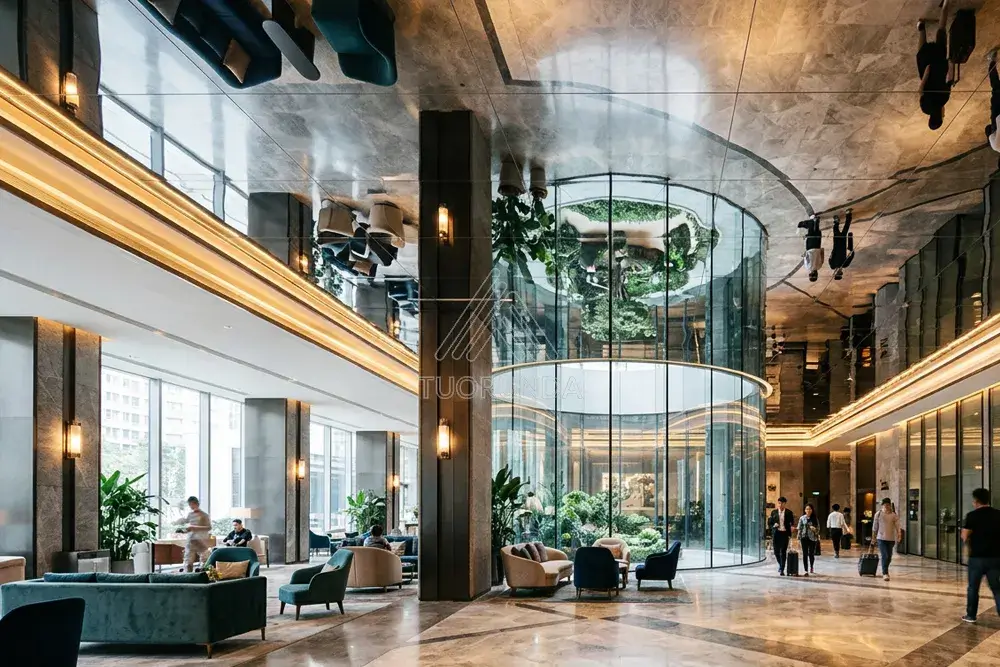
Head-to-Head Performance Comparison
Moisture, Mold and Humidity Resistance
Moisture is the reason why gypsum and mineral fiber ceilings fail.
Stainless steel ceiling panels are completely non-porous. Do not let water in. They do not take in water vapor do not swell, do not sag and do not grow mold. 316-Grade stainless steel also stops chloride corrosion. This makes it a good choice for places near the ocean for swimming pool halls and for places where they clean with chlorine-based cleaners every day. Even when they are in kitchens and get steam and grease every day stainless steel panels keep their shape and their look.
Gypsum takes in moisture slowly. Regular gypsum will sag, get stains and grow mold in rooms with a lot of humidity. Moisture-resistant gypsum slows this down. It is not completely waterproof. If there is much condensation or if water splashes on it the joints and the surface paper will get worse, over time. It is not allowed for places where they clean a lot and where food is handled.
Mineral fiber tiles take in humidity quickly. In areas they sag, bend, change color and let out tiny particles. Some special mineral fiber tiles are made for high-humidity areas.. Even those can’t handle direct water spray or cleaning with disinfectants over and over again.
Winner for wet spaces: Stainless steel ceiling panels (Tuorunda)
Best dry-space budget pick: Gypsum or mineral fiber
Hygiene, Cleanability and Food / Healthcare Compliance
Ceiling surfaces in food service, hospitals, labs, and pharmaceutical cleanrooms need to be washable, wipeable, and free of any concealed pores that could harbor germs, yeast, or grease.
Alkaline cleansers, degreasers, and authorized food-safe disinfectants can be used to wipe, spray, and scrub stainless steel panels. No organic accumulation or trapped residue. Tuorunda’s perforated stainless steel choices employ backing membranes to prevent dust and bacteria from lodging behind the panel—a crucial requirement for health inspectors.
It is challenging to thoroughly sterilize gypsum surfaces. Bacteria might enter the core once the paper facing is discolored or broken. The surface coating will be destroyed by thorough cleaning.
Mineral fiber is permeable by nature. Standard mineral fiber tiles cannot be wet-scrubbed. There is only light dry vacuuming available for cleaning. It is therefore excluded from the majority of high-hygiene commercial kitchen and clinical zones.
Acoustic Performance
If you care the most about controlling noise in offices or classrooms mineral fiber is usually the best choice.
Mineral fiber tiles offer NRC (Noise Reduction Coefficient) which is perfect for cutting down echo and noise, from talking in open spaces.
Gypsum gives some sound protection. Doesn’t absorb much sound. It tends to bounce sound instead of taking it in.
Stainless steel panels don’t naturally absorb sound. However Tuorunda has perforated stainless steel ceiling panels that have fleece or rockwool attached. This metal ceiling option can be adjusted to meet acoustic needs and still be easy to clean. It is the acoustic choice when mineral fiber is not an option.
Durability, Impact Resistance and Service Life
Stainless steel is very strong. Small hits and spills won’t make it break, peel or stain. A stainless steel ceiling made with 304 or 316 steel can last 20 to 30 years or more with just simple care. If a panel is damaged it can be replaced without removing the ceiling.
Gypsum is weak. It gets dented, cracked and broken easily when there is work done above the ceiling. Fixing it means patching, sanding and painting again.
Mineral fiber tiles are the weakest of the three. They. Fall apart during regular work done above the ceiling, which means they need to be replaced often.
Maintenance Requirements
Stainless steel is easy to take care of. Wipe it with a cleaner or a food-safe sanitizer then rinse and dry. There is no need to paint, seal or resurface it on a basis.
Gypsum ceilings need to be painted from time to time and any damaged parts need to be fixed with patches. Water leaks lead to marks.
Mineral fiber tiles are not able to be cleaned with water. They gather dust as time goes on and are replaced when they get dirty or start to droop.
Upfront Cost vs Total Ownership Cost
Stainless steel ceiling panels cost more when you first buy and install them than gypsum or mineral fiber. That is the thing to consider.
Gypsum and mineral fiber are cheaper to start with for areas that do not need much care.. In wet places or areas where cleanliness is very important their short lifespan adds up. This means you have to replace tiles deal with mold take time off and face health inspection problems. For buildings that last a long time stainless steel usually ends up being less expensive, over 10 years or more.
Best Use Cases for Each Ceiling Material
✅ Choose stainless steel ceiling panels (Tuorunda) when you have:
– Commercial kitchens, bakery and meat processing plants
– Hospital ORs, wards, clinics and laboratory ceilings
– Swimming pool enclosures, spas and steam rooms
– Coastal buildings, salt-laden environments
– Cleanrooms, pharmaceutical production zones
– Areas requiring regular washdown and strict sanitation audits
✅ Choose gypsum ceiling when:
– Dry offices, retail shops, hotel lobbies
– You want a seamless, smooth painted finish
– Humidity stays stable and low, no regular water splashing
✅ Choose mineral fiber ceiling tiles when:
– Open-plan offices, schools, conference rooms
– Primary goal is affordable sound absorption
– The space stays dry and only light dry cleaning is acceptable
Common Mistakes Specifiers Make
A frequent error is using mineral fiber or standard gypsum in commercial kitchens, then facing sagging tiles, mold growth and failed health inspections 1–3 years after handover. Even moisture-resistant gypsum is not a substitute for fully washable metal panels under food code requirements.
Another mistake: assuming all stainless steel ceilings are the same. For pool and seaside projects, 304 stainless may still develop tea-staining; Tuorunda recommends grade 316 stainless steel for chloride-rich atmospheres. Perforated stainless ceilings also need correct backing material selection to avoid contamination behind the panel.
FAQ
Q: Can stainless steel ceiling panels achieve acoustics?
A: Yes. Tuorunda’s perforated stainless steel ceiling panels with backing are designed to reduce noise. They offer both cleanliness and good sound control for places like hospitals and food halls.
Q: Are stainless steel ceilings hard to install?
A: No. Modern steel lay-in panels are not heavy. They fit into T-bar suspension grids. There are also hidden fixing systems to create a clean look.
Q: Is 304 stainless enough for a kitchen ceiling?
A: For commercial kitchens that are not near the coast 304 stainless steel is a good choice.. If the area uses a lot of chlorine cleaning or is close to the sea 316 stainless steel is better because it resists rust better.
Q: Can I mix stainless steel panels with ceiling materials in one project?
A: Yes. Many projects use mineral fiber or gypsum, in office areas and stainless steel ceiling panels in kitchens, bathrooms or medical areas. This approach helps with costs, sound control and cleanliness.
Final Takeaway
Gypsum and mineral fiber ceilings are still cost-effective choices for dry and standard commercial interiors where acoustics and simple looks are the main focus.. When the space is wet, steamy, greasy or needs to pass strict hygiene checks stainless steel ceiling panels are better. They do not absorb water can be cleaned easily do not grow mold and are made to last for years of heavy use, in commercial settings.
If you are an architect, contractor or facility manager looking for ceiling systems for your next wet area project Tuorunda offers custom stainless steel ceiling panels, technical drawings, finish options and project support that are designed for commercial kitchens healthcare facilities, cleanrooms and marine environments.
