
The newest designs in architecture always hit the same crossroads. Designers need a building to look sturdy and contemporary, but they also need to function well on a day-to-day basis. Spaces must look good and also need to provide comfort, safety, and a good lifespan. One neglected and the project loses a lot of value.
Aluminum ceilings and glass curtain walls fit in as one of the most important elements of this balance. From the outside glass curtain walls provide the building’s image and on the inside they enrich the space with daylight. Aluminum ceilings provide order to the interior, acoustic control, and system integration. Modern commercial buildings incorporate both of these systems as essential elements.
The collaboration of glass curtain walls and aluminum ceilings is the focus of this article. It reviews construction methods and design strategies that enhance overall performance in real projects and avoid conflicts.
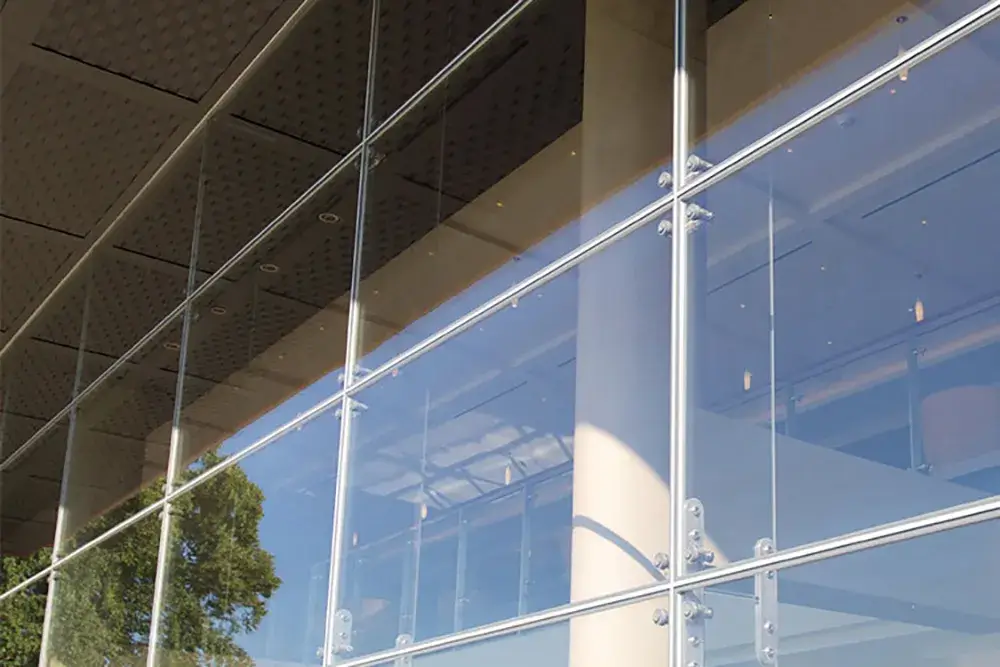
Aesthetic Potential and Practical Considerations of Glass Curtain Walls
Application scenarios
Highly transparent glass curtain walls are typically installed in high-rise buildings, be it offices, cultural structures, or large scale public projects. These are for buildings that require a clean and simple facade, but with strong visual order. Due to their design, a large number of commercial buildings opt to use this system because it offers unrestricted views and delivers consistent, reliable performance.
Aesthetic Value
The glass curtain walls provide a model of design craftsmanship and a high level of artistry with their ability to provide an open and transparent atmosphere. The walls directly provide natural illumination in the interiors, and create a boundless connection with the surrounding environment. This visual fluidity serves to create an iconic image of the building and enhances the experience of the building in space.
Design Freedom
The glass curtain wall system provides a large number of possibilities for the design of building glasses. They can be a large variety of colors, and almost any choice of finish such as reflective surfaces, or different textures can be incorporated into the glass. The appearance of the facade also alters with the daylight, introducing more variability to the design of the curtain walls.
Practical performance optimization
The design of a building must also cover the basic practical needs. One such needs in terms of safety and impact resistance can be addressed by providing laminated glass. Creating an effective all-around comfort relys also on providing glass that interrupts views to provide more undisturbed space, to control glare, and improve temperatures.
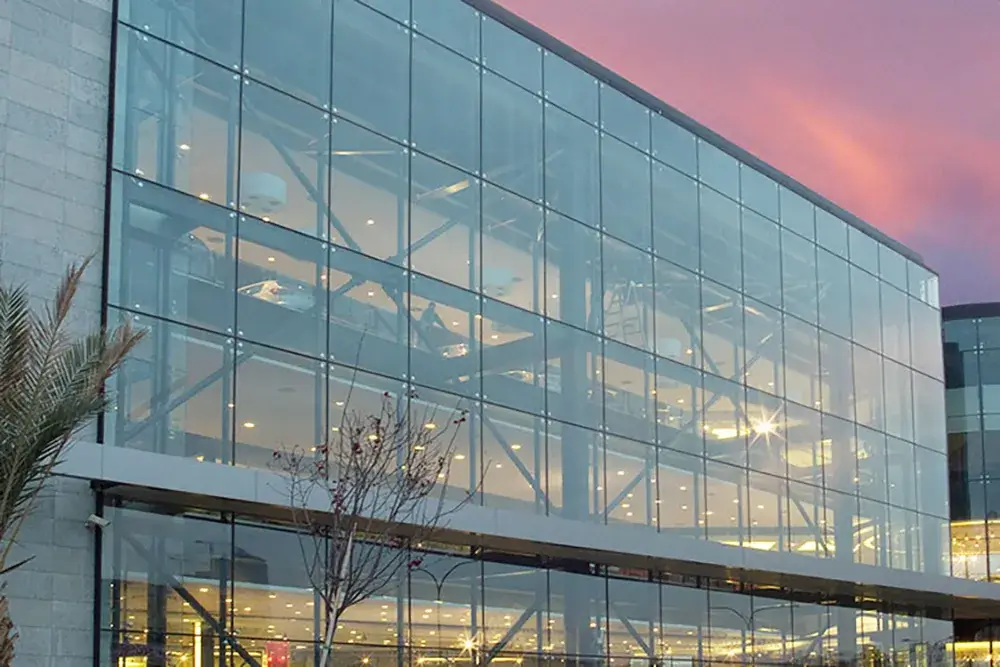
Functions and Values of Aluminum Ceilings in Interior Design
Positioning
Modern aluminum ceilings are important interior design features of contemporary commercial buildings. They are used in offices, lobbies, atriums, and public circulation spaces. These areas often demand a clean structure and dependable functionality, which aluminum ceilings provide and help interior space organize.
Material Advantages
Aluminum is a light and strong material. It does not warp or bend and is resistant to moisture and corrosion. The material also permits high customization which helps to achieve varying project requirements and design objectives.
Design Flexibility
Aluminum ceilings support many surface treatments. Perforated panels, solid panels, and modular systems can be selected. These options fit simple styles and also support more dynamic ceiling patterns.
Practical Functions
Aluminum ceilings help control sound in busy spaces. Perforated designs reduce noise and improve comfort. Lighting systems can be built into the ceiling, which improves light use and helps save energy.
Strategies for Harmonizing Glass Curtain Walls and Aluminum Ceilings
Achieving visual continuity between interior and exterior
Core goal
The main goal is to reduce visual breaks between indoor and outdoor spaces. A clear visual link helps the building feel complete and well planned. Users can better sense space flow and building order.
Specific methods
Ceiling lines can follow the grid and rhythm of the glass curtain wall. Panel direction and joint spacing should match facade patterns. Aluminum surfaces can reflect natural light and spread it deeper into the interior.
Balancing light and acoustic needs
Solving the core contradiction
Glass curtain walls bring strong daylight into open areas. These spaces often face sound reflection and echo problems. Both light comfort and sound control must be managed at the same time.
Specific methods
Perforated aluminum ceilings help reduce noise and control reverberation. Sound absorbing layers can be added above the panels. Built-in LED lighting supports stable light levels during day and night use.
Strengthening structural integration and performance guarantee
Structural requirements
Glass curtain walls rely on stable frames for safety and load control. Aluminum ceilings need accurate fixing to keep flatness and avoid deformation over time.
Key integration points
Support systems should be planned together from the start. Alignment and connection details must be clear. This approach improves visual order and supports long-term building performance.
Project Implementation Challenges and the Importance of One-Stop Solutions
Pain points of multi-supplier collaboration
Projects that use many suppliers often face coordination problems. Different systems may not align well. Design details can conflict during installation. These issues can cause delays, extra cost, and uneven final results.
Advantages of one-stop services
One-stop services help solve these problems. Using PRANCE as an example, design, site measurement, production, and installation are handled in one system. This approach keeps technical details clear and helps teams follow the same standards from start to finish.
Core value
A one-stop solution reduces error risk during construction. System matching improves. The final result stays close to the original design plan and supports stable long-term use.
Application Guide in Different Scenarios (Glass Curtain Walls vs. Aluminum Ceilings)
The roles of glass curtain walls and aluminum ceilings change based on building type. Each system supports different needs in light control, space feeling, and interior performance. When used together in the right way, they help create spaces that look clear and work well in daily use.
| Application Scenario | Glass Curtain Walls – Main Role | Aluminum Ceilings – Main Role |
| High-rise office buildings | Bring in natural light and wide views. Improve facade image and daylight use for work areas. | Control noise in open offices. Support lighting, air outlets, and clean ceiling layouts. |
| Cultural and civic spaces | Create transparent and iconic facades. Strengthen public image and openness. | Add interior order with custom finishes. Support acoustic needs for large crowd spaces. |
| Commercial lobbies and atriums | Increase openness at entrances. Improve spatial height and visual impact. | Reduce echo and noise. Shape a calm and comfortable indoor atmosphere. |
